BESS for a more flexible Latvian power grid
BESS stores electricity in batteries when power is available or cheaper, then dispatches that electricity when the grid needs capacity, balancing, or price flexibility.

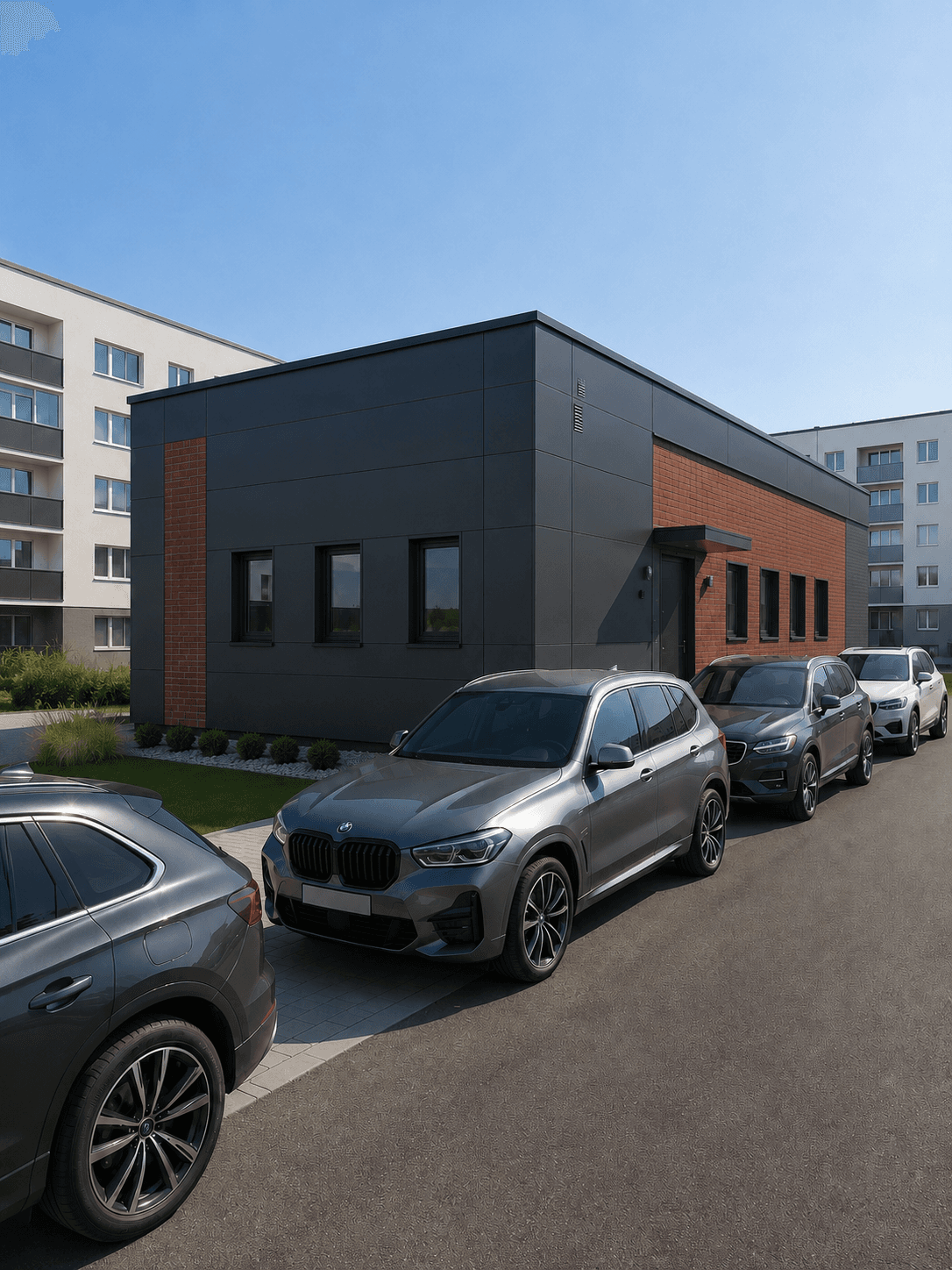

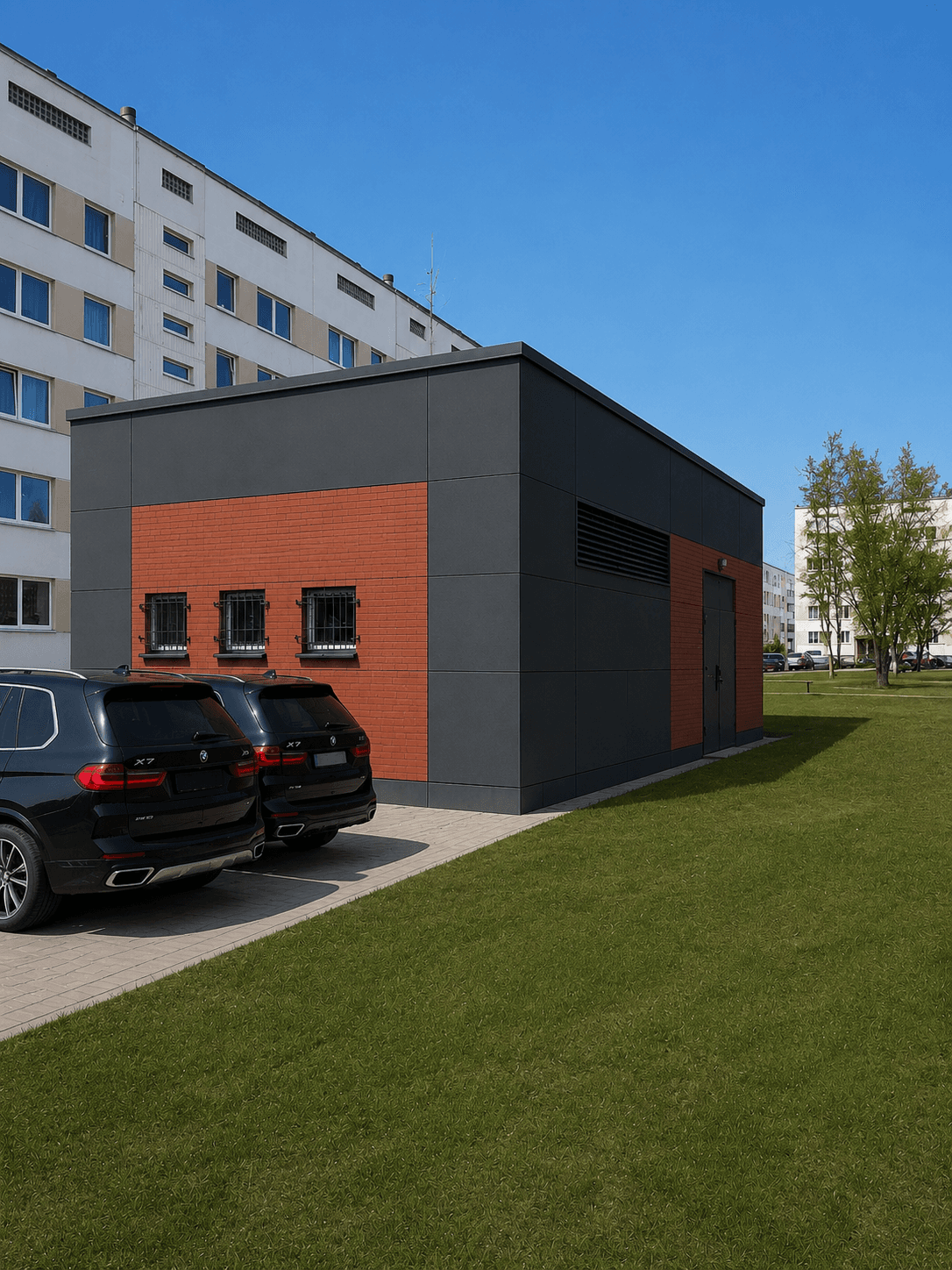
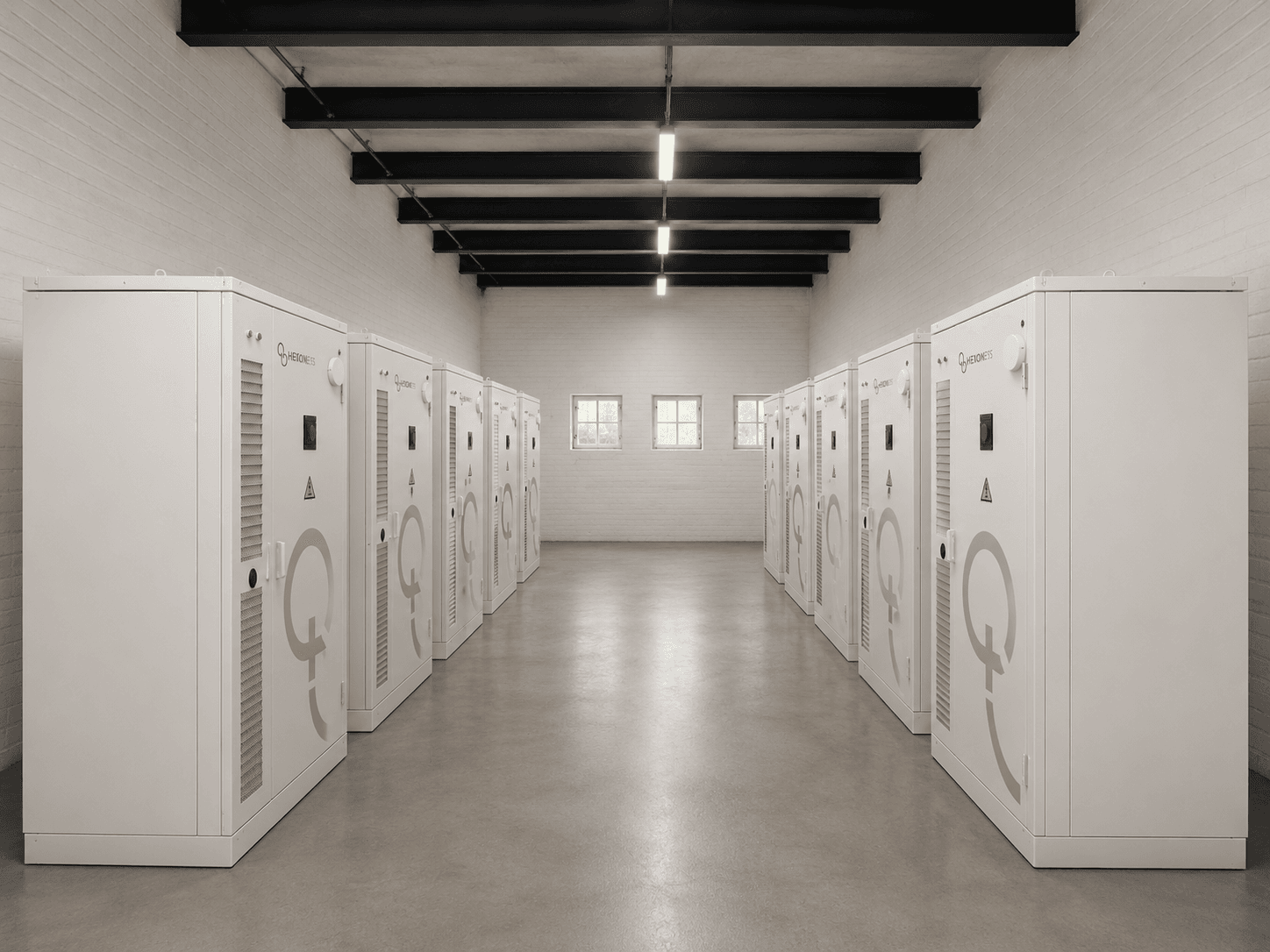
How BESS works
A battery turns electricity into controllable capacity.
BESS is not only a battery. It is a complete system with cells, inverters, controls, safety equipment, and grid connection that can respond to market and grid signals.
Charge
The system charges during lower-price hours, renewable generation peaks, or when grid conditions make charging useful.
Store
Energy is stored in battery modules and managed by control, cooling, safety, and power conversion systems.
Dispatch
Power is dispatched back to the site or grid during high-price hours, balancing events, or capacity needs.
Why Latvia needs it
BESS helps the power system work with more flexibility.
For Latvia, BESS is useful because it can react quickly, support renewable integration, reduce stress on the grid, and create new local investment in energy infrastructure.
Frequency stability
Fast response helps the system keep frequency close to its required operating level.
Price flexibility
A battery can charge in lower-price hours and discharge when electricity is more valuable.
Renewable integration
Storage helps smooth solar and wind generation that changes during the day.
Grid capacity support
Local storage can reduce pressure on network capacity during high-load periods.
Energy resilience
Storage can support continuity and flexibility for local electricity infrastructure.
Local investment
BESS projects bring capital into sites, connections, and surrounding infrastructure.